
artivory
Projects

Studio work in progress and on air

artivory

A look at the kinds of rooms, rigs and routines we work with, from camera positions to cue sheets, shown through the scenes our crew handles day to day.

On the studio floor

Details from studio setup and live production

These scenes show the materials and routines behind our services: cameras, lamps, desks and cue sheets. Each reflects a step we repeat on news and live programme work.

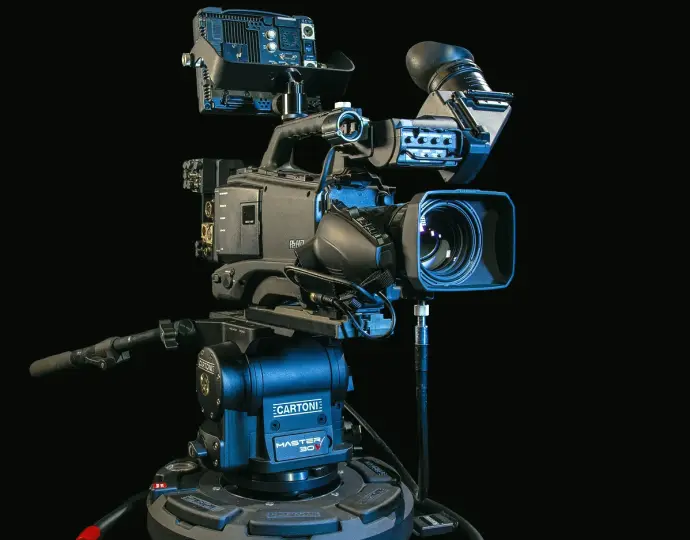
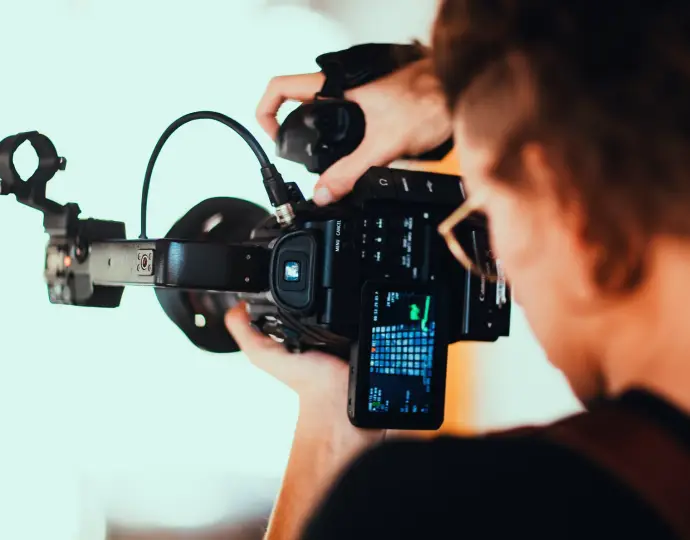
Cameras placed on pedestals

Cameras placed on pedestals

Pedestals are levelled and balanced before any shot is framed, so operators get smooth moves and consistent heights across a long live programme.

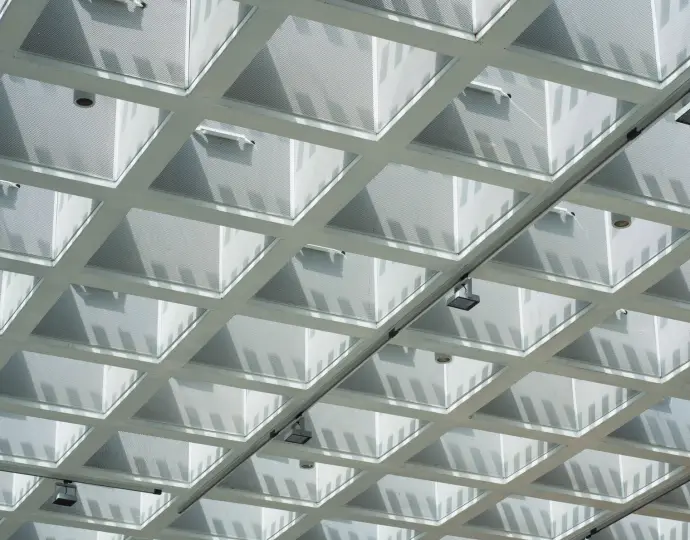
Overhead lighting grid

Overhead lighting grid

Fixtures hang from a grid and are angled to light presenters evenly while keeping the set background readable on camera.

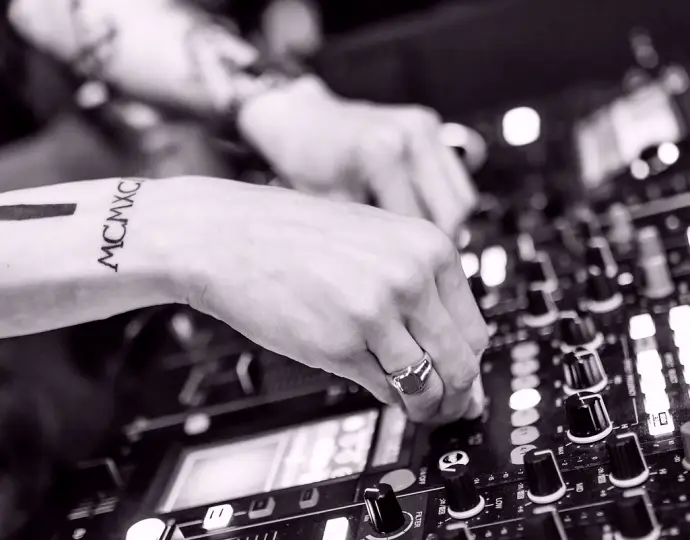
Mixing desk during rehearsal

Mixing desk during rehearsal

Channels are labelled and levels checked with presenters before air, so microphones and talkback behave the same in rehearsal and in the live show.

Control room monitor wall

Control room monitor wall

Preview and programme monitors are arranged so the director can follow every source at once and call shots without hunting for a screen.

Cue sheet and rundown

Cue sheet and rundown

A rundown lists each item, its length and who is responsible, giving the crew one shared plan that can be repeated for the next show.

Presenter at the news desk

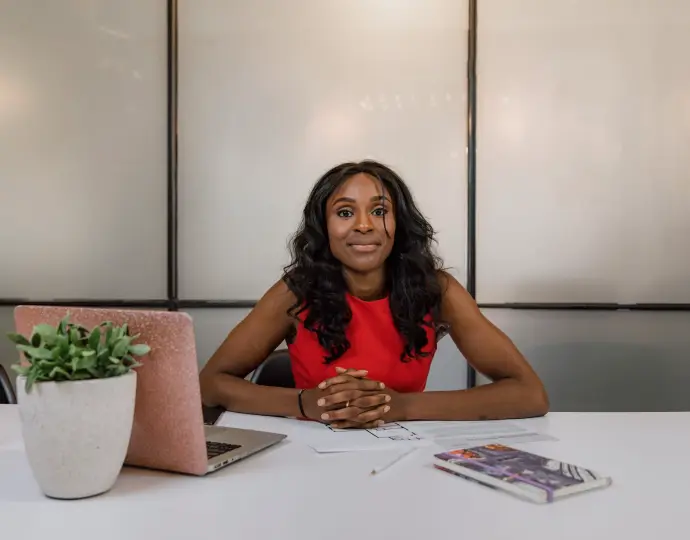
Presenter at the news desk

Framing, lighting and microphone position are checked with the presenter seated, so the look holds steady from the opening headline to the close.

Working notes

How we approach each studio and show

Rooms and formats differ, but the way we work stays steady. These notes describe the choices behind the scenes above, and what they mean for a team that has to go live on schedule.

Plan on paper first

Before any equipment moves, we draw the layout: where cameras travel, where guests sit, where cables run and where the crew stands. Doing this on paper catches most problems while they are still cheap to fix. It also gives your producers something concrete to comment on. Once everyone has agreed the plan, installation becomes a matter of following it rather than improvising around obstacles on the day.

Rehearse the live moments

The riskiest parts of a live show are the transitions: handing between presenters, taking a package, switching to a guest. We rehearse these with the real crew and the real running order. Talkback is tested so every operator hears the cues they need. By the time the lights come up for the first broadcast, the awkward moments have already been worked through at least once.

Leave the team capable

A studio is only useful if your own people can run it on a bad day. We document camera positions, lighting states, audio routing and the rundown format in plain language, and we walk your crew through them. Our aim is that you can repeat a programme without calling us, and that when you do call, it is for something new rather than something we left unclear.

The studio in numbers

  • 2012 Founded

    artivory

  • 5 Service areas

    Studio Equipment Setup, Camera Operation, Studio Lighting Design, Sound and Audio Workflow, Live Show Workflow Planning

  • 4 Team profiles

    Helen Marsh, Daniel Pryce, Priya Nair, Tom Ellery

Send us a message

artivory
© 2026 artivory. All rights reserved