
What Sound and Audio Workflow Costs and What Moves the Price
A plain look at how audio work for live broadcasts is priced, which parts of a studio sound set-up drive the figure up or down, and what to settle before asking for a quotation.
6 min read
Why sound is priced by the job, not by the hour
When a producer asks me what audio work costs, the honest first answer is that it depends on what the studio already has and what the programme demands. Sound and audio workflow covers microphone placement, mixing desk set-up and talkback routing, and each of those can be a morning's work or several days. We therefore quote against a written description of the job rather than a flat hourly rate.
The reason is simple. Two news studios can look alike from the viewer's side and be very different behind the wall. One may have clean cable runs, a sound desk that is already patched and a quiet room. The other may have a desk bought second-hand, undocumented routing and an air-conditioning hum that has to be dealt with before anything else.
A quotation built from the real conditions tells you what you will pay before work starts, and it keeps the invoice close to the figure you were given.
Prices for the service are listed on the Prices page, and the figure for your studio follows from the factors below.
The main factors that move the figure
Most of the cost comes from a handful of decisions. The first is the number of sources: a two-presenter bulletin needs far less than a talk show with guests, a band slot and remote contributors. Every additional microphone or feed means placement, testing, gain staging and a place on the desk.
The second is the state of the desk and the cabling. Setting up a new mixing desk from scratch takes longer than refining a working one, and a studio with tidy, labelled cable paths is quicker to treat than one where every run has to be traced by hand.
The third is talkback. A small crew can get by with a simple intercom, while a gallery with director, producer, floor manager and camera operators needs separate groups, clear priorities and a reliable route to the presenter's earpiece. That routing is often where hours disappear.
The fourth is the room itself. Hard walls, a glass partition or noisy equipment racks may call for repositioning and extra time before microphones can be placed at all.
- Number of microphones and audio sources
- Condition and complexity of the mixing desk
- Size of the crew on talkback
- Acoustic problems in the room
Microphone placement and what it adds
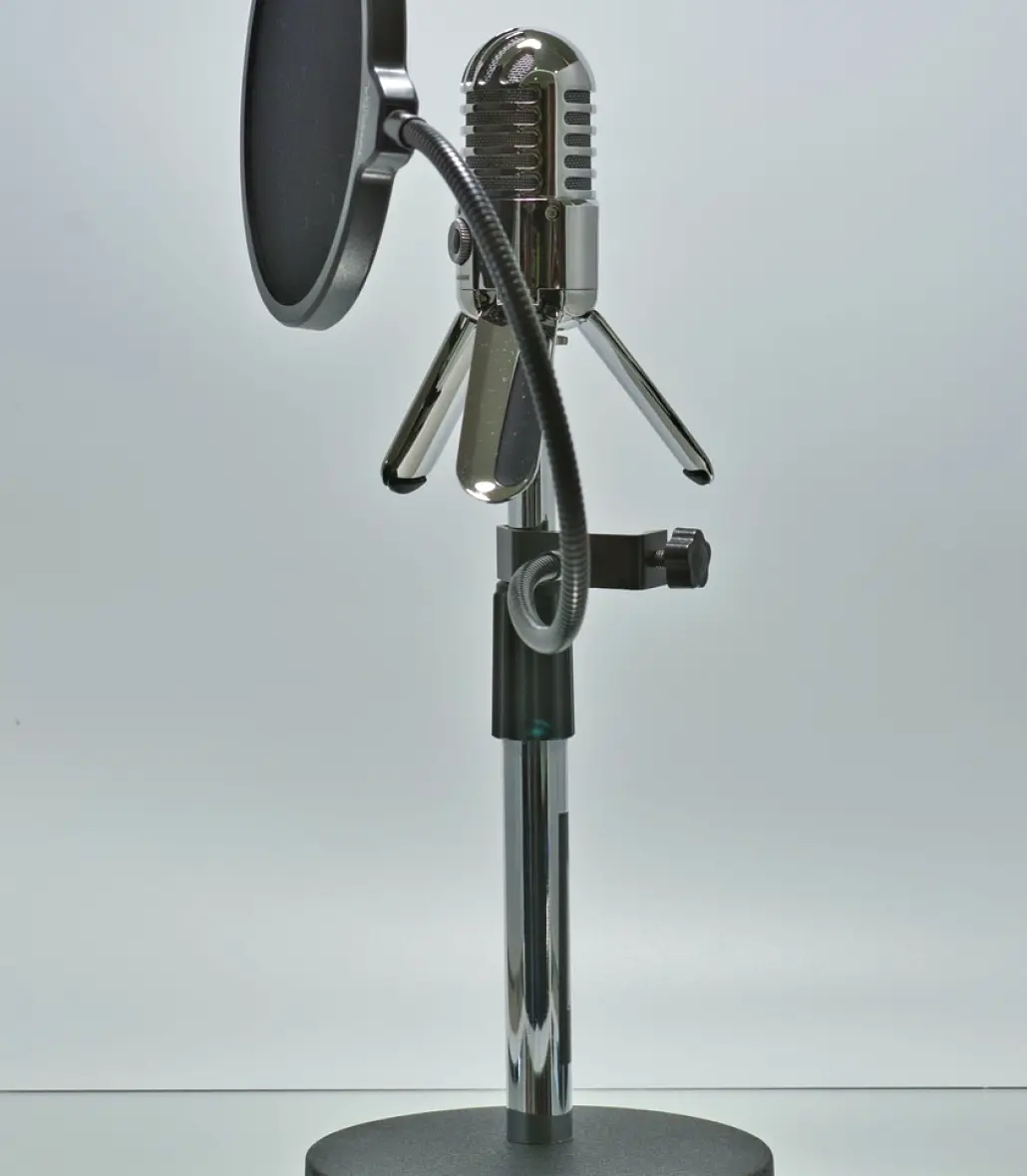
Placement looks like a small item on a quotation, yet it shapes how much is left to do at the desk. A lavalier clipped in the right spot on a presenter needs little correction. A badly placed one fights clothing noise, and the mixer spends the whole programme riding the fader to hide it.
We allow time to try positions with the actual presenters, in the actual clothes they will wear on air, at the voice level they will use. That session is usually brief, but it is where we catch a boom shadow on the set, a desk-mounted microphone picking up keyboard taps, or a guest chair that sits too far from its capsule.
If the set design changes often, placement is worth revisiting, and that return visit is counted separately. A permanent news desk costs less to treat over the long run than a set that is rebuilt for each series, because the positions can be documented and repeated by any operator on the crew.
Mixing desk set-up and talkback routing
Setting up a desk means more than plugging in sources. We build channel layouts that make sense to the person sitting there, group presenters and guests logically, set up the monitoring and create a few saved states for the common formats of the show, such as the opening, an interview and the sign-off.
Time here rises with the number of outputs. A programme that feeds a live transmission, a recording, a studio floor speaker and a remote contributor's return needs each of those mixes checked on its own. Mix-minus feeds, which stop a remote guest hearing their own voice back, are quick to build but must be tested with the real line.
Talkback follows the same pattern. We map who needs to speak to whom, set it out on a single sheet and test each path from both ends. A clear map costs a little more at the start and saves a good deal of confusion on the first live night, when nobody has time to ask who is on which channel.
- Channel layout and naming
- Monitor and output mixes
- Mix-minus feeds for remote guests
- Written talkback map for the crew
What a quotation should state
A useful quotation lists what is included, what is not, and what would change the figure. For audio work that means the number of sources covered, the days we expect to be on site, whether rehearsal time with presenters is part of it, and whether a written workflow document is handed over at the end.
It should also name the usual causes of extra time: faults found in existing cabling, equipment that arrives late, or a script change that alters the audio needs after work has begun. Naming them in advance avoids the awkward conversation afterwards.
Our process is the same for every service. You send an enquiry through the contact page, we ask a few questions about the studio and the programme, and we return a written quotation. Once you confirm it, we invoice, payment is by bank transfer, and cancellations and refunds follow the payment and refund policy.
What to prepare before you ask
You can shorten the discussion and sharpen the figure by gathering a few facts first. A rough floor plan of the studio and gallery, with the desk position marked, helps more than a long description. So does a list of the equipment you already own, with model names where you have them, and a note of any faults you know about.
Tell us the format of the programme: how many people speak at once, whether guests join remotely, and how long the show runs live. A forty-minute bulletin and a three-hour live programme place very different demands on talkback and on the people operating it.
Finally, say what you want the result to be in practical terms. A crew that can run the audio without us, or a tidy set-up we maintain, are different jobs. Knowing which one you need lets us price the work you actually want rather than a general package.
- Floor plan with desk and gallery positions
- List of existing audio equipment
- Programme format and number of speakers
- Whether you want hand-over or ongoing support
The cost of sound work in a live studio comes down to sources, the condition of what is already installed, talkback complexity and the room's acoustics. None of these is hidden, and all can be discussed before anyone visits. If you send us a short description of your studio and programme through the contact page, we will answer with a written quotation that sets out what is included and what would change it.