
Key Light, Fill and Backlight: The Three-Point Rule Explained for News Sets
Three-point lighting is the oldest rule in studio work. Here is what key, fill and backlight each do for a presenter, and why the balance between them matters over a long live programme.
6 min read
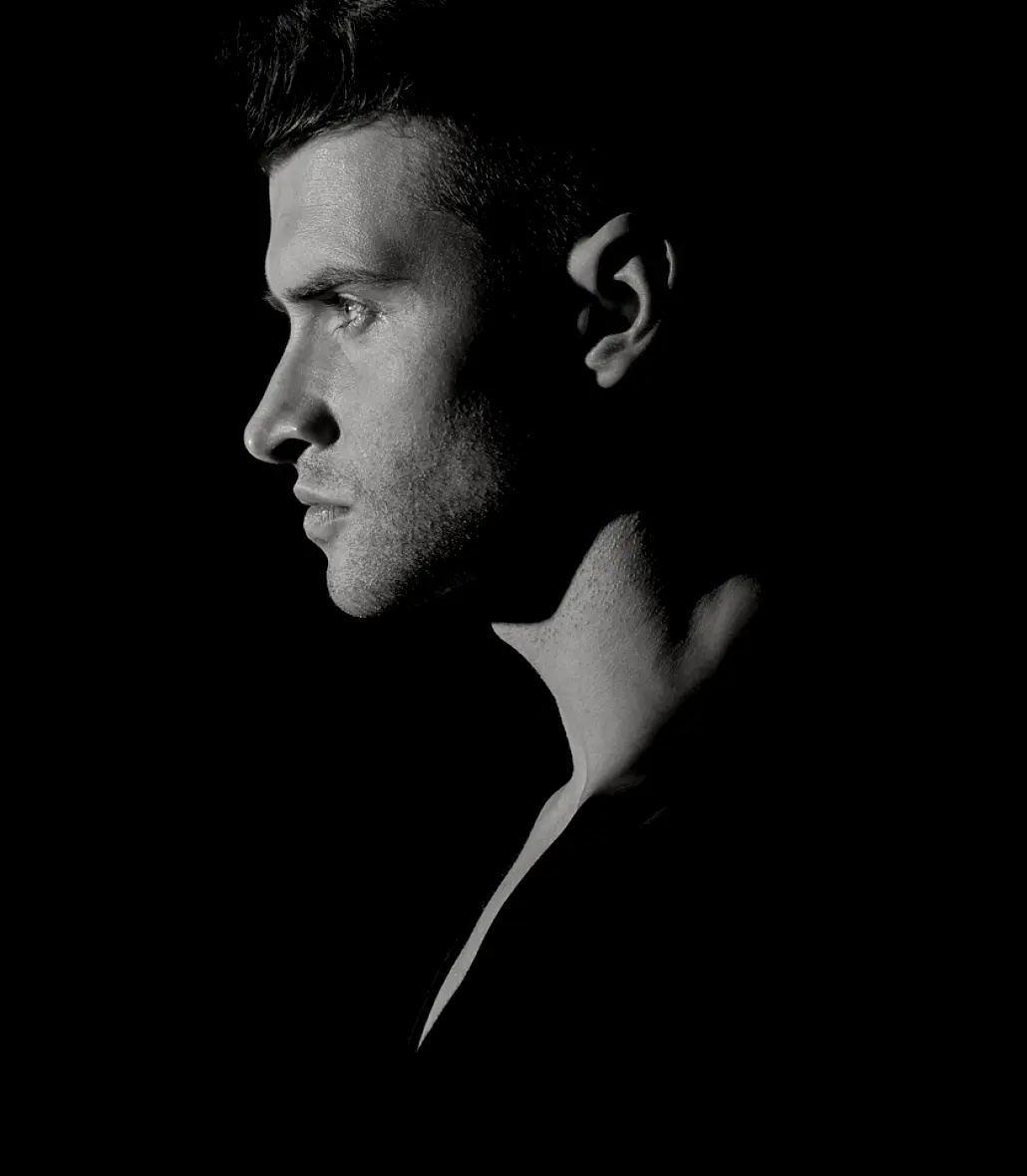
What the three-point rule actually says
Three-point lighting sounds like jargon, but the idea is simple. You light a person with three separate sources, each with its own job, so that the face is readable, the shape of the head is clear and the person does not sink into the set behind them. Every news studio I have worked in, large or small, starts from this arrangement, even when the finished plot has twenty fixtures in the grid.
As a camera operator I see the result from the other side of the lens. When the three points are balanced, framing is easy: the presenter holds the shot, skin tones stay steady when I move from a wide to a close-up, and I am not chasing exposure. When they are not, no amount of careful pedestal work hides it.
The rule is not a law of physics. It is a starting point that tells you where the light should come from and what each lamp is responsible for, so that anyone on the crew can read the rig and fix a problem quickly.
- Key light: the main source that shapes the face
- Fill light: softens the shadows the key creates
- Backlight: separates the presenter from the set
The key light: where the face gets its shape
The key is the brightest and most directional of the three. It usually sits above eye level and to one side of the camera, roughly forty-five degrees off the line between lens and presenter. That angle puts a gentle shadow under the nose and cheek, which is what gives a face depth on screen instead of looking flat like a passport photograph.
Quality matters as much as position. A hard, small source produces crisp shadows and picks out every line in a face, so news sets generally use soft, diffused fixtures. Softness is forgiving: presenters can lean in, turn to a colleague or glance at a monitor without the light turning harsh.
Height is the detail people forget. Set the key too low and the presenter looks lit from a torch under the chin. Set it too high and the eye sockets fall into shadow. Small adjustments here change how a person looks more than anything else in the rig.
Fill light: deciding how much shadow to keep
Fill comes from the opposite side of the camera and is deliberately weaker than the key. Its job is not to remove shadow but to lift it, so detail remains visible on the darker side of the face. The ratio between key and fill sets the mood of the picture. A close ratio feels open and friendly, which suits morning programmes and magazine shows. A wider ratio feels more serious and dramatic.
For a news bulletin the usual aim is a comfortable middle: enough fill that the shadow side reads clearly on a broadcast monitor, but enough contrast that the face still has shape. Lighting designers often judge this by eye on a calibrated screen rather than with a meter, because what matters is how the picture looks on air.
Fill is also where practical trouble hides. Bounced light from a pale desk or a white wall can act as extra fill without anyone planning it, and it changes when the set dressing does.
Backlight: why the head needs an edge
The backlight sits behind and above the presenter, pointing down towards the back of the head and shoulders. It draws a thin line of brightness around the hair and shoulders that lifts the person away from the background. Without it, a dark suit against a dark panel simply merges, and the presenter looks pasted onto the set.
Restraint is the skill here. A backlight that is too strong glows around the hair, creates a hot rim on the shoulders and can flare into the lens when the camera moves. The best ones are barely noticed by the viewer; they only notice the lack of one.
Presenters of different heights and hair colours react differently. Fair hair can burn out under a backlight that suits dark hair perfectly, so the intensity is often set with the actual presenter in the chair rather than a stand-in.
Keeping the balance steady across a long programme
A plot that looks right at rehearsal can drift by the end of a long live show. Presenters shift in their seats, guests arrive with different skin tones and clothing, and a second presenter joining the desk changes the shadows on both. The three-point rule gives you a vocabulary for correcting this: if a face looks flat, check the fill; if it looks harsh, check the key; if the shoulders disappear, check the back.
Consistency also means thinking about each camera position. A fixture that flatters one angle can create a different look from another, so lighting designers check every shot the director might cut to, not only the main one.
Mid autumn adds a small complication for studios with any daylight. Low, changeable light through a window or a glazed gallery wall can shift colour during a long programme, and it is worth keeping an eye on it.
- Check each camera angle, not only the main shot
- Re-check balance when a guest or second presenter joins
- Watch any daylight entering the studio
Using the rule as a starting point, not a recipe
Once the three points are in place, the real work begins. Sets with glass, gloss surfaces or strong colours reflect light in ways that no diagram predicts. Wide shots need the background lit separately so it does not fall away, and talk shows often want a warmer feel than a bulletin.
What the rule gives you is a clear fallback. When something looks wrong in the minutes before transmission and there is little time, going back to key, fill and backlight and asking which of the three is out of balance usually finds the fault faster than adjusting fixtures at random.
If you are planning or reworking a studio, it helps to bring this vocabulary to the conversation with your lighting designer. It makes briefs shorter and results easier to judge.
The three-point rule is plain: a key to shape the face, a fill to control the shadow and a backlight to lift the presenter from the set. Learn what each does and you can read almost any news studio rig at a glance, and correct it calmly when a live programme drifts. It will not design a studio for you, but it keeps every conversation about lighting grounded in what the viewer actually sees.