
A Sunday evening bulletin and the lighting that stopped drifting
Helen Marsh tells the story of Callum, a regional news producer whose presenters looked different by the end of every long live programme, and how a lighting plot fixed it.
5 min read
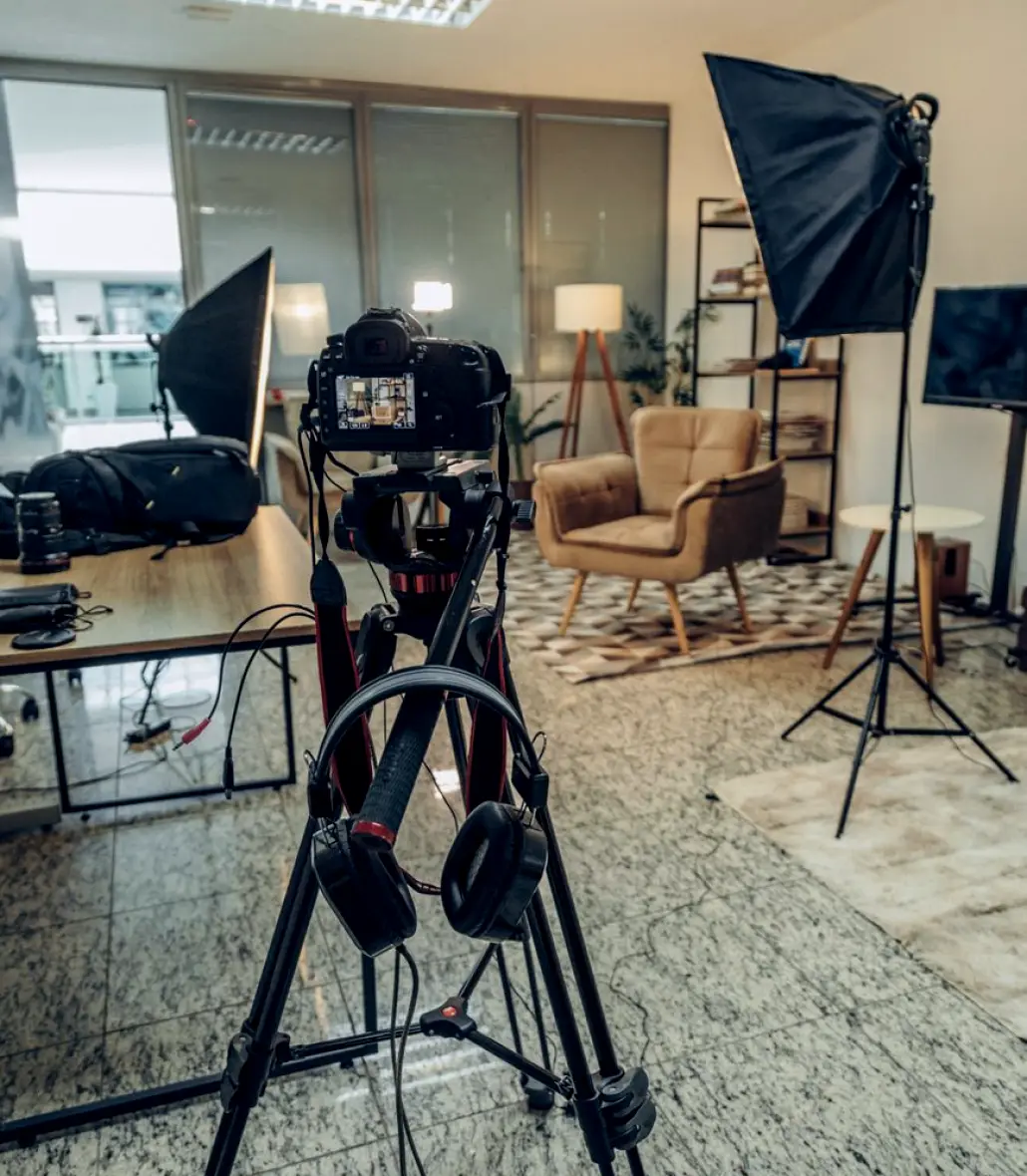
The call from Callum
Callum runs the evening output for a small regional news team, and he rang us in the first weeks of autumn with a problem he could not quite name. His studio had been built around a corner set with a glass-fronted desk, and the bulletin looked fine in the first ten minutes. By the end of a ninety-minute live programme, though, his presenters looked tired, flat and slightly orange, while the weather wall behind them had gone washed out.
He had already tried raising and lowering the key lights by hand during rehearsals, and each fix held for one show before the same complaints came back from the gallery. He wanted someone to look at the room, not sell him a new rig. I said we would come and watch a full programme from the gallery before suggesting anything.
What we saw in the gallery
We spent an evening in the control room with Priya, our lighting designer, watching the monitors rather than the studio floor. The first thing she noticed was that the presenters were lit by a mix of fixtures bought at different times, with colour temperatures that did not match. As the lamps warmed up over the evening, the older units shifted towards amber while the newer ones stayed put.
The second problem was reflection. The glass desk threw a hard highlight back at one presenter's chin whenever the second camera pushed in, and nobody had flagged it because the shot only appeared twice an hour. Priya wrote both findings on a single sheet, with the camera positions marked, and walked Callum through them before we left the building.
- Mixed colour temperatures across the key and fill units
- Slow colour drift as older lamps warmed up
- Glass desk reflecting a highlight into the close-up shot
- Weather wall lit by spill rather than by its own fixtures
Drawing the plot before touching a lamp
Priya drew the new plot on paper first. Every fixture was given a position, a purpose and a dimmer level, and the plan assumed the programme would run long, so nothing relied on a lamp being fresh. She matched all the key and fill units to one colour temperature, moved the key lights a little higher and further to each side, and tilted the desk edge so the highlight no longer reached the lens.
The weather wall got two dedicated fixtures of its own, which meant it could be set once and left alone. Callum liked that the plan fitted on one page his floor crew could read at a glance. We agreed the changes in writing before any ladders came out, so he knew what would be altered and what would stay as it was.
Install day and the first rehearsal
The rig work took one working day, done while the studio was dark between programmes. Daniel stood in as a presenter stand-in at the desk while Priya adjusted levels from the gallery, checking faces on the monitors rather than trusting a light meter alone. We marked the final dimmer settings on the board and photographed the grid so anyone could restore it.
In the rehearsal that evening we let the programme run its full length without touching a control. At the start and at the end, the skin tones on the monitors matched. The close-up that used to catch the desk glare came up clean, and the weather wall held its colour right through to the sign-off, which was the result Callum had been hoping to see.
Keeping it steady week to week
A good plot only helps if it survives a busy production week. We left Callum's team a short routine: check the board against the marked settings before each programme, note any lamp that looks off, and replace units in matched pairs rather than singly. Priya also recorded which fixtures should be swapped first as they age, so the colour match does not slowly erode.
Callum phoned a few weeks later, not with a complaint but to say the gallery had stopped talking about the lighting at all. For a lighting designer that is the quiet outcome worth aiming for: the presenters look the same at the close as at the opening, and the crew's attention goes to the running order instead.
- Compare the board with the marked settings before each show
- Replace lamps in matched pairs
- Log any unit that drifts in colour or output
Callum's studio did not need more lamps, only a plan that treated a long live programme as the normal case. Matching the units, controlling one reflection and giving the backdrop its own light settled a problem that had cost his team months of tweaking. If your presenters look different at the end of a show than at the start, the cause is usually found in the gallery, over a full programme.